四分之一的英国小学生不认识常见鸟类
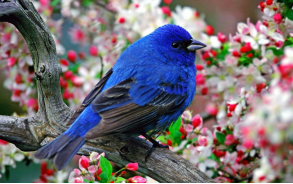
One in four primary school children cannot identify a blackbird or robin(知更鸟), research has found. More than half are unable to name three of Britain’s most common garden species, while a third of six to ten-year-olds have never fed a bird at home. Some 17 percent are unaware that the black-headed seagull is one of the most common seabirds in Britain. They seem more interested in watching TV and playing computer games than nature and wildlife.
And a spokesman for the RSPCA, which is asking families to feed wild birds in their gardens, said, “As the weather turns colder, it is important to think about what we can do to help our animal friends. It is important to keep the population of wild birds in this country, and giving them a helping hand in finding food is a great way to start. Birds can struggle to find food during the winter months, so to help them stay strong over this period, people can leave out wild bird food for them.”
Meanwhile, more than half a million people from across Britain are set to take part in the RSPB’s Big Garden Birdwatch by counting the birds in their gardens over the weekend. Dozens of outdoor activities enjoyed by children a generation ago are now falling out of favour. These included playing in the mud, playing in woods, planting seeds and spotting wildlife. Although many parents believe a good childhood is spent outdoors playing with friends, they are forcing their own children to stay inside for their safety.
However, scientists said in May that feeding birds could be harming some of our best-loved native species, because leaving food is more likely to attract foreign invaders. A University of Auckland study found that feeding birds in towns may be upsetting the delicate balance between native species and more aggressive varieties introduced from overseas.