3D打印技术来打印的奶酪
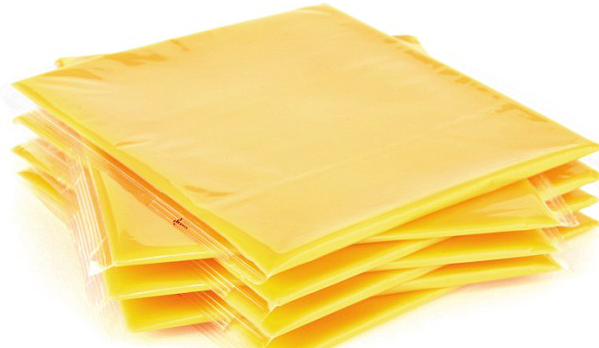
Whether paired with a nice red wine or a burger, cheese can be a delicious treat for any occasion. But it is not, perhaps, the ideal material to use in printing—unless you are a team of nutritional scientists. One group of researchers used 3D-printing to create a cheese. And the cheese could provide valuable insight for engineers who are still developing materials for 3D printing.
A team from the school of food and nutritional sciences at University College Cork (UCC) conducted a series of tests evaluating the 3D-printed cheese. 3D-printed materials need to be fluid(流动的) enough to flow and be capable of settling into a definite shape and structure.
After melting the cheese at 75°C (167°F) for 12 minutes, the UCC team then ran it through a modified commercial 3D printer. The machine, which usually prints with plastic, was fitted with a syringe(喷射器) to allow it to print with their melted cheese.
The UCC team used several techniques to examine the effects of the 3D printing process on their cheese. They compared the 3D-printed results to processed cheese that had been melted and then cooled, as well as another sample that was left untouched. “Cheese that was 3D-printed was 45 per cent to 49 per cent softer than the untreated processed cheese, ”the researchers said. They also discovered that 3D-printed cheese was a little darker in colour and more fluid when melted, though it melted at about the same temperature as untreated cheese.
Dr Kelly and his colleagues are now testing other types of dairy products which can be 3D-printed. Dr Kelly said, “We are using mixtures of milk proteins at present to build a product, perhaps a high-protein snack, from the basics up, and designing recipes which might work best for a 3D printer.”
本时文内容由奇速英语国际教育研究院原创编写,未经书面授权,禁止复制和任何商业用途,版权所有,侵权必究!(投稿及合作联系:028-84400718 QQ:757722345)