英国小学生将在课上学习如何计算方糖,以帮助解决肥胖问题
Primary school children will be taught how to count the sugar cubes as part of the government's anti-obesity push. English and maths lessons will include anti-sugar messages in an attempt to improve children's diets.
Children will use their times tables to count how much sugar is in a bowl or cereal and will then see if it is more than the recommended daily allowance (RDA) provided by Public Health England. They will also be asked to find healthier food and drink items.
New exercises for English lessons include writing the letter arguing against consuming too much sugar. Traditionally the message of cutting sugar intake has only been in personal, social and health education lessons—this is the first time PHE has used English and maths to educate children about their diets.
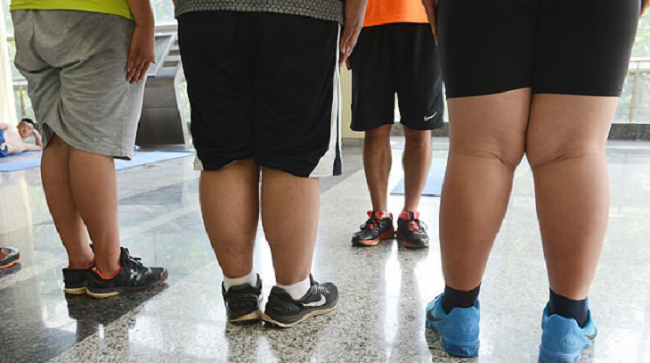
Around one in three children leave primary school overweight or obese with severe obesity hitting record levels among year 6 students, aged ten and 11. More children than ever are also developing type-2 diabetes.
Improved school lunches and a daily mile walk or run have been introduced at many schools to promote healthy lifestyles. Some schools have banned junk food. Maths worksheets offered by PHE ask children to count sugar cubes as well as working out what consumption adds up to over weeks, months and years. In classes the children are asked to draw a comic saying that people should reduce foods with sugar. As well as the pictures for teachers to use in class with one of the presentations for English lessons containing an anti-sugar song: “Sugar cubes, go away, don’t come back another day, you're not good for our teeth, sugar, go away”.
本时文内容由奇速英语国际教育研究院原创编写,未经书面授权,禁止复制和任何商业用途,版权所有,侵权必究!(作者投稿及时文阅读定制请联系微信:400-1000-028)