真笑还是假笑?计算机视觉系统帮你鉴定
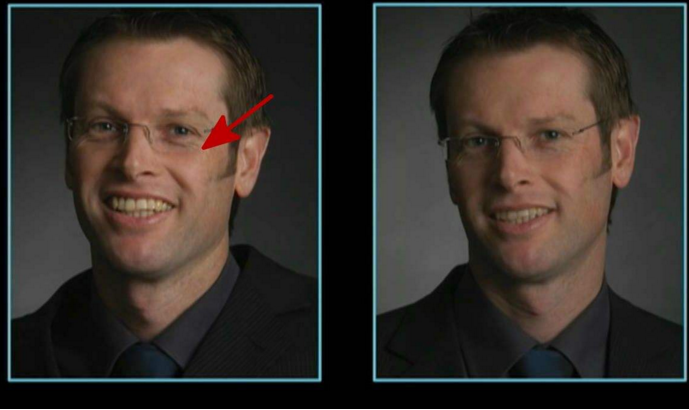
Is that person really glad to see me? Or is he just being polite? Some people struggle to distinguish a fake smile from a truly happy smile. And computers have found this task even more difficult—that is, until researchers trained a program to examine when a smile is genuine.
Visual computing researchers at the University of Bradford in the U.K. started with software for analyzing a changing facial expression. This program can examine a video clip of a human head and identify specific details around the eyes, cheeks and mouth. Then the program tracks the details moving relative to each other as the face smiles.
Next, the scientists had their program evaluate two sets of video clips. In one, subjects performed posed smiles. In the other, they watched a film that inspired genuine displays of emotion. The program calculated the differences among the subjects' faces during the two clips. And it turns out that your mouth, cheeks and eyes move differently when you're faking that smile.
In particular, the muscles around the eyes shift 10 percent more for a real smile than they do for a fake one. These results are in the journal Advanced Engineering Informatics.
The researchers suggest their work could improve a computer's ability to analyze facial expressions and thus to interact more smoothly with humans. But their real accomplishment is in proving Tyra Banks right: "You have to smile with your eyes."
本时文内容由奇速英语国际教育研究院原创编写,未经书面授权,禁止复制和任何商业用途,版权所有,侵权必究!(免费同步微课、每日口语、单词速记关注奇速优课公众号)