新加坡“小贩”文化成功申遗
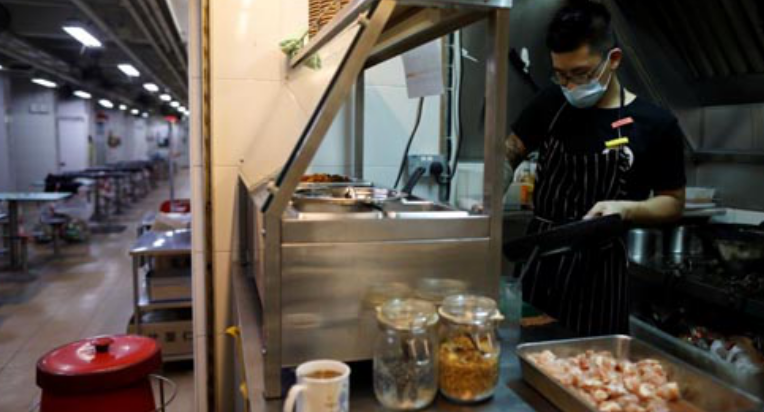
Singapore’s tradition of eating out in places called hawker centers is now recognized by the United Nations for its cultural importance. A hawker is a person who sells food or goods and advertises by shouting at people walking by on the street.
Hawkers are an important part of Singaporean culture. Open-air eating areas where hawkers sell their goods are very popular. Famous chefs, such as Anthony Bourdain and Gordon Ramsay have praised them. And they appear in popular films like Crazy Rich Asians.
On December 16, the United Nations’ cultural agency, UNESCO, added the city’s “hawker culture” to its Representative List of the Intangible Cultural Heritage of Humanity(人类非物质文化遗产代表性名录). Singapore sought to have hawker culture added to the list about two years ago.
Now that it has been recognized, Singapore must provide a report every six years to UNESCO. The report must show efforts that the city-state has made to save and support its hawker culture. “These centers serve as ‘community dining rooms’ where people from diverse backgrounds gather and share the experience of dining over breakfast, lunch and dinner,” UNESCO said.
In the 1970s, Singapore cleaned up its streets so the city moved street hawkers to new eating centers. These areas were part of an effort to improve the island. Now, the centers offer many different low-cost meals for local people and provide a pleasing social setting.
But Singapore’s hawker culture does face difficulties. The average age of a hawker in Singapore is 60 years old. Younger Singaporeans now want to work in offices. They are less interested in working in small restaurants. The COVID-19 health crisis also hurt sales, preventing foreign visitors and local people from eating out.
本时文内容由奇速英语国际教育研究院原创编写,未经书面授权,禁止复制和任何商业用途,版权所有,侵权必究!(作者投稿及时文阅读定制请联系微信:18980471698)