春节:世界“非遗”里的中国年味
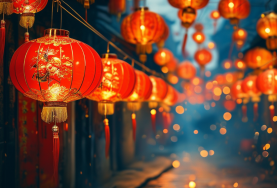
On December 4, 2024, “Spring Festival, social practices of the Chinese people in celebration of the traditional New Year” was added to the Representative List of the Intangible Cultural Heritage of Humanity by UNESCO.
Chinese New Year, also known as the Spring Festival, is the most important traditional festival in China. It begins on the first day of the lunar calendar, meaning the date changes every year but usually falls between January 21st and February 20th.
One week before the Spring Festival is xiaonian (Little New Year), or the Festival of the Kitchen God. People celebrate by making offerings to the Kitchen God, cleaning their homes, taking down old decorations like couplets and paper-cuts, and putting up new ones. They also take baths and haircuts, and do final shopping for the coming new year.
Chinese New Year’s Eve (chuxi) has special meaning. No matter where they are, people try to return home and celebrate with their families. The reunion dinner, which is the most important meal of the year, brings families together around round tables. They enjoy traditional dishes like dumplings, tangyuan (sweet glutinous rice balls), niangao (New Year cake), spring rolls, and hot pot. After dinner, families watch the CCTV Spring Festival Gala and stay awake until midnight to welcome the new year.
On the first day of Chinese New Year, people visit relatives and friends, exchanging blessings like “Happy New Year!”. Elders give children red envelopes (hongbao) with lucky money inside. Fireworks light up the sky, and lion and dragon dance performances fill the streets with the rhythm of drums.
Though people celebrate in different ways, the festival always carries the same wishes for happiness and good fortune in the new year.
Chinese New Year, also known as the Spring Festival, is the most important traditional festival in China. It begins on the first day of the lunar calendar, meaning the date changes every year but usually falls between January 21st and February 20th.
One week before the Spring Festival is xiaonian (Little New Year), or the Festival of the Kitchen God. People celebrate by making offerings to the Kitchen God, cleaning their homes, taking down old decorations like couplets and paper-cuts, and putting up new ones. They also take baths and haircuts, and do final shopping for the coming new year.
Chinese New Year’s Eve (chuxi) has special meaning. No matter where they are, people try to return home and celebrate with their families. The reunion dinner, which is the most important meal of the year, brings families together around round tables. They enjoy traditional dishes like dumplings, tangyuan (sweet glutinous rice balls), niangao (New Year cake), spring rolls, and hot pot. After dinner, families watch the CCTV Spring Festival Gala and stay awake until midnight to welcome the new year.
On the first day of Chinese New Year, people visit relatives and friends, exchanging blessings like “Happy New Year!”. Elders give children red envelopes (hongbao) with lucky money inside. Fireworks light up the sky, and lion and dragon dance performances fill the streets with the rhythm of drums.
Though people celebrate in different ways, the festival always carries the same wishes for happiness and good fortune in the new year.
原创编写 版权所有 侵权必究! 每日更新 个性化阅读 英语飙升!