研究:世界最大岛正在缓缓飘走
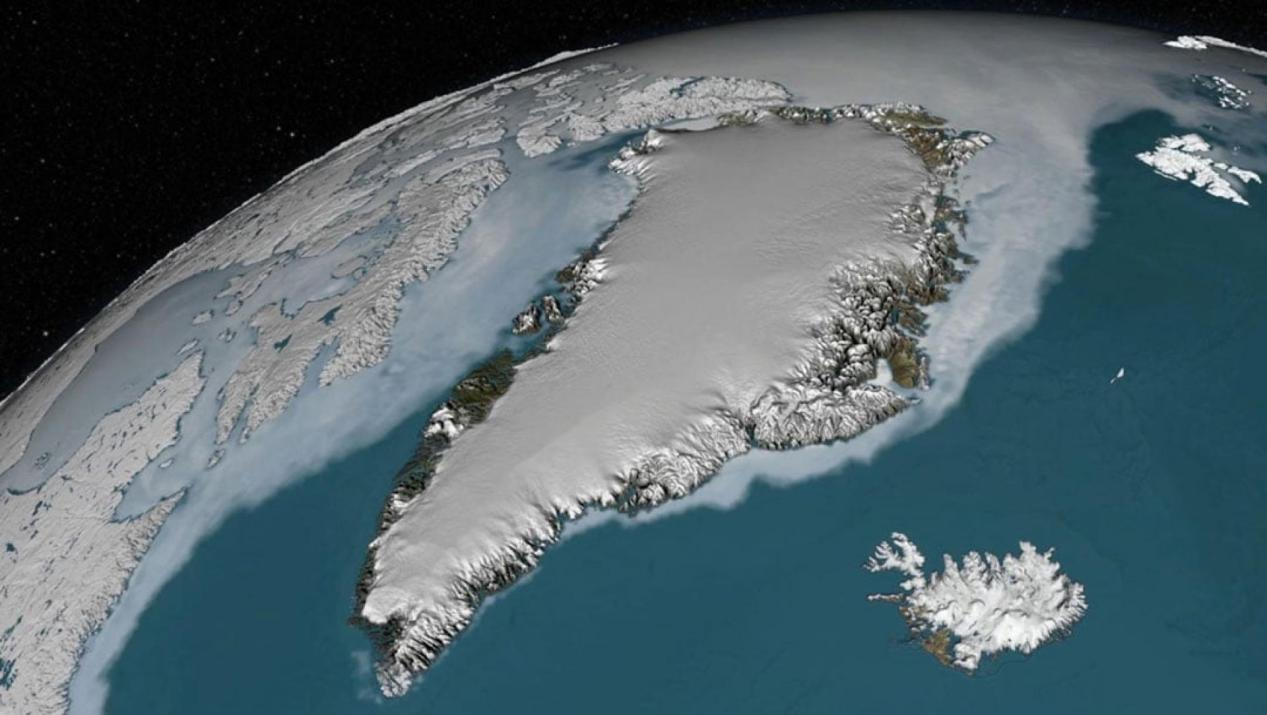
A recent scientific study has revealed a surprising side effect of global warming: the massive island of Greenland is not just losing ice — it is physically changing shape and slowly moving. According to research published in a leading earth science journal, the island is shrinking in size and gradually drifting toward the northwest. This discovery provides a powerful example of how deeply climate change can affect our planet.
Researchers from the Technical University of Denmark used data from 58 GPS stations located around Greenland. By carefully analyzing this information, they were able to track subtle shifts in the island’s position and the elevation of its bedrock — the solid rock beneath the ice. Their findings paint a picture of a landmass undergoing significant transformation.The primary cause of this movement is the rapid melting of Greenland’s enormous ice sheet. Over the past two decades, the island has been losing billions of tons of ice each year. As this incredible weight lifts off the land, the Earth’s crust below, which was once pressed down, begins to rebound, or spring back upward. This process, known as “post-glacial rebound”, is causing the bedrock to twist, stretch, and compress (压缩). These geological shifts are causing the entire island to move northwest at a speed of about two centimeters per year. Furthermore, the island itself is changing shape. Some areas are being stretched apart, while others are being squeezed (挤压) together. The overall result is that Greenland is getting slightly smaller.
The influence of these changes is global. The melting ice from Greenland pours into the ocean, directly contributing to rising sea levels. Scientists estimate that the ice sheet holds enough frozen water to raise global sea levels by over seven meters if it all melted. Even small increases can put millions of people living in coastal areas at risk of flooding.
This research highlights the interconnected nature of our world. A warming climate in the Arctic does more than just melt ice; it sets off a chain reaction that reshapes land, alters oceans, and poses new challenges for the future. Understanding these complex processes is a crucial step in preparing for and adapting to our changing planet.
原创编写 版权所有 侵权必究 每日更新 个性化阅读 英语飙升