“国际太极拳日”正式设立!
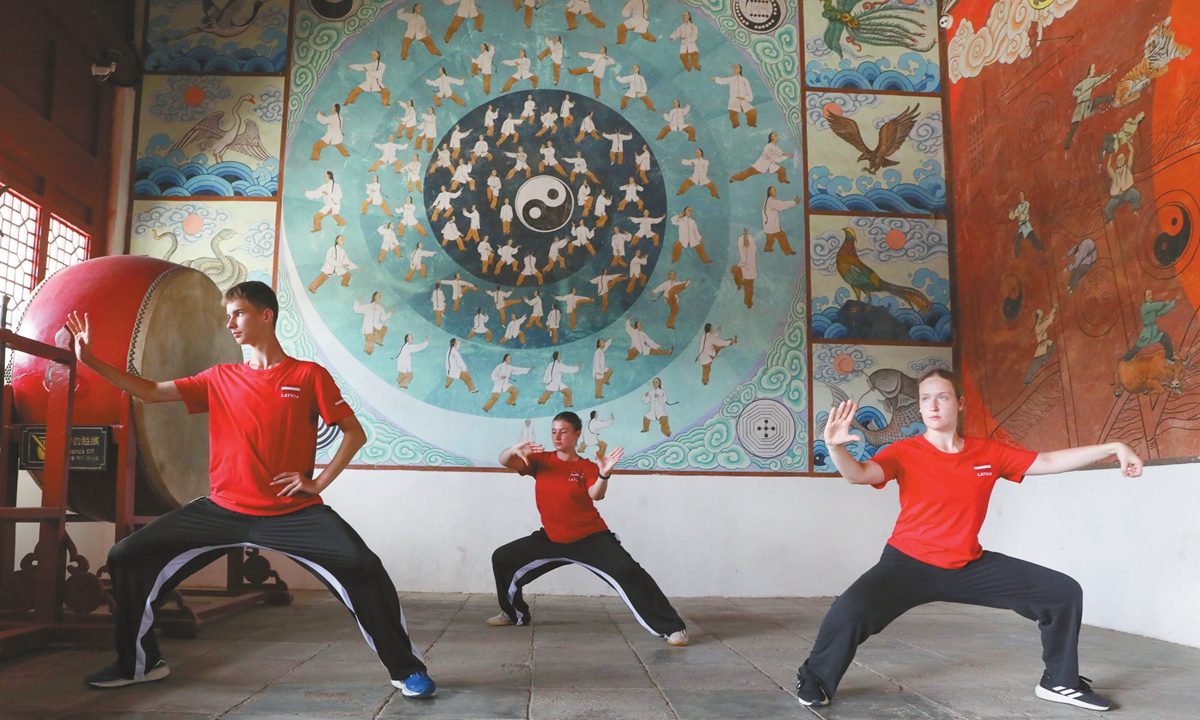
With gentle hand movements, slow body lifts and steady knee bends, Taijiquan has been practiced for centuries by people of all ages and backgrounds. More than just a physical exercise, it is a profound way of life that blends physical fitness with deep philosophical insights, rooted in concepts like yin-yang balance and harmony between humanity and nature.
Recognized as a UNESCO intangible cultural heritage in 2020, Taijiquan has spread to over 180 countries and regions, winning hearts worldwide. A major milestone came recently when UNESCO approved a resolution at its 43rd General Conference in Samarkand, designating (指定) March 21 as International Taijiquan Day. This historic decision marks the first time a martial art has its own international day within the UN system, reflecting widespread global recognition of Taijiquan’s unique value as a cultural bridge.
The chosen date holds great symbolic meaning — it coincides with the Spring Equinox, one of China’s 24 solar terms, when day and night are of equal length. This natural balance perfectly mirrors Taijiquan’s core philosophy of harmony, as noted by scholars. With a history of nearly 400 years, Taijiquan has evolved into several distinct styles, including Chen, Yang, Wu and Sun, each with its own refined techniques and lineage (宗系), while preserving the art’s essential spirit of “overcoming strength with gentleness”.