伊朗遭遇六十年来最严重水危机
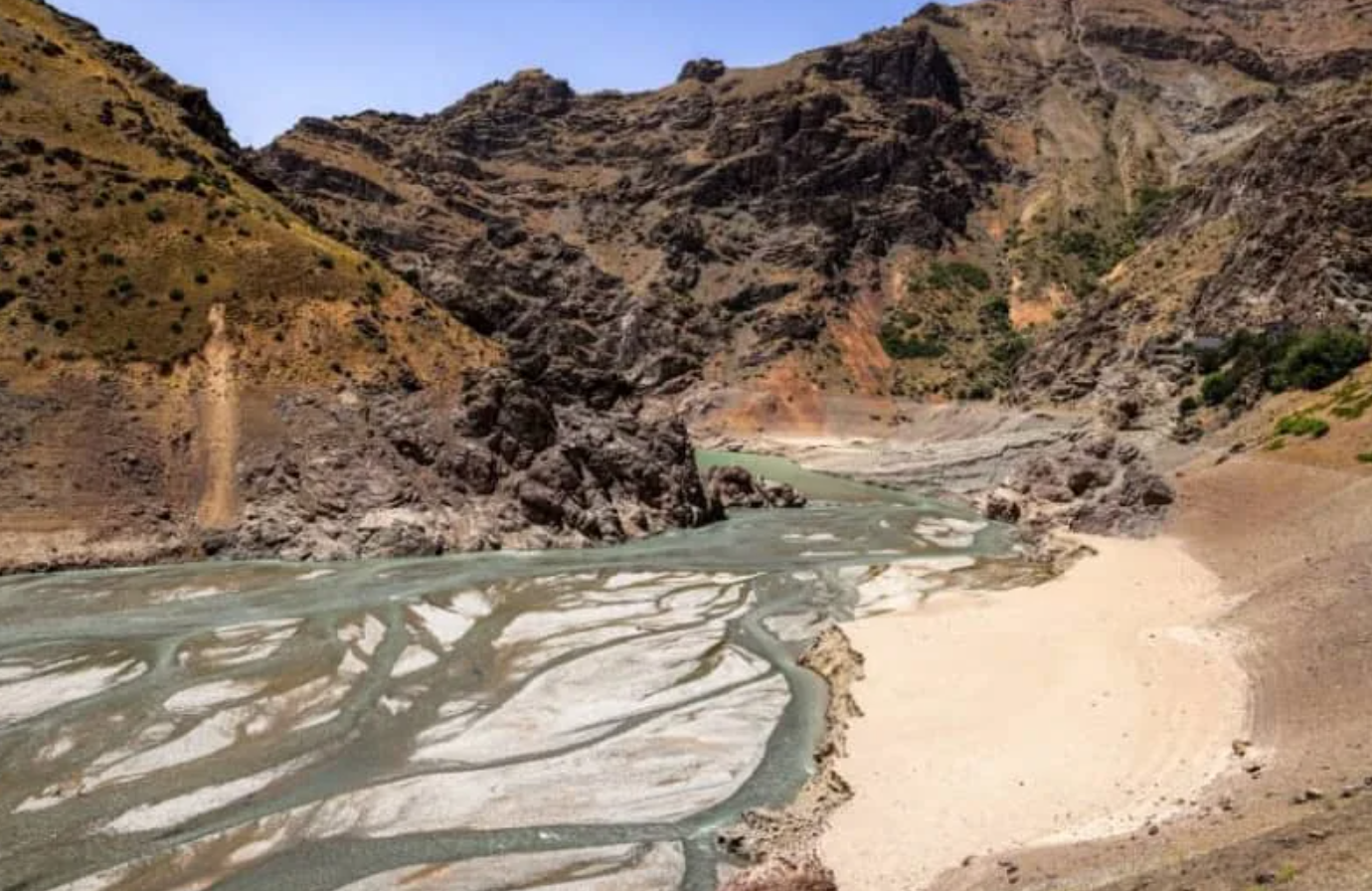
① Iran is facing its most severe water crisis in more than six decades. Major dams supplying drinking water to provinces with millions of residents are nearly empty, and groundwater reserves have been depleted. Many cities have endured an entire autumn without a single drop of rain. In the capital, Tehran, and in Mashhad, the country’s second-largest city, in the north-east, some reservoirs are at less than 5% and 3% capacity, respectively. Authorities have begun cutting off water at night in the capital, according to reports. Iran’s president Masoud Pezeshkian has even warned of possible evacuations if “it doesn’t rain soon”.
② More than 90% of Iran’s water is extracted for farming, with much of it lost to inefficient irrigation practices. Studies show the country’s ambitious dam-building campaign, intended to enhance food and energy self-sufficiency, has disrupted natural ecosystems and contributed to the drying up of major wetlands and lakes. These include Lake Urmia, once the Middle East’s largest salt lake, now reduced to a bed of salt that could fuel dust and salt storms across the region.
③ While climate change has contributed to the worsening drought, Iran’s water crisis has mainly been caused by poor management. Limited regulation of groundwater extraction including widespread drilling of around one million wells, half of which are illegal, has severely depleted aquifers across the country.
④ As lakes and rivers dry up, their exposed beds could turn into vast sources of sand and dust. These particles can travel thousands of kilometres, crossing national borders and degrading soil and air quality across the wider region.
⑤ Can anything be done? The short answer is yes.
⑥ Real-time water accounting – using tools such as space satellites – can identify critical areas and guide emergency action. The government must also inspect areas affected by subsidence or over-extraction. Then it must take immediate action, including temporary closures or relocations where safety is at risk.
⑦ Mid-term priorities should focus on improving monitoring and efficiency. Managed aquifer recharge (a strategy that deliberately directs water into underground reservoirs) using stormwater or treated wastewater, precision irrigation, digital agriculture, and AI-based irrigation scheduling can dramatically reduce losses of water.
⑧ Long-term recovery also depends on governance. Legal caps on groundwater abstraction, and economic diversification away from water-intensive crops are essential. Incentivising efficient irrigation and wastewater reuse plus adjusting water pricing to reflect scarcity would help. The country must diversify its economy so that fewer livelihoods depend on water-intensive industries, such as farming.
⑨ Together, these steps could stabilise Iran’s water systems and prevent further environmental, social, and economic damage.
原创编写 版权所有 侵权必究 每日更新 个性化阅读 英语飙升