多吃果蔬,睡个好觉
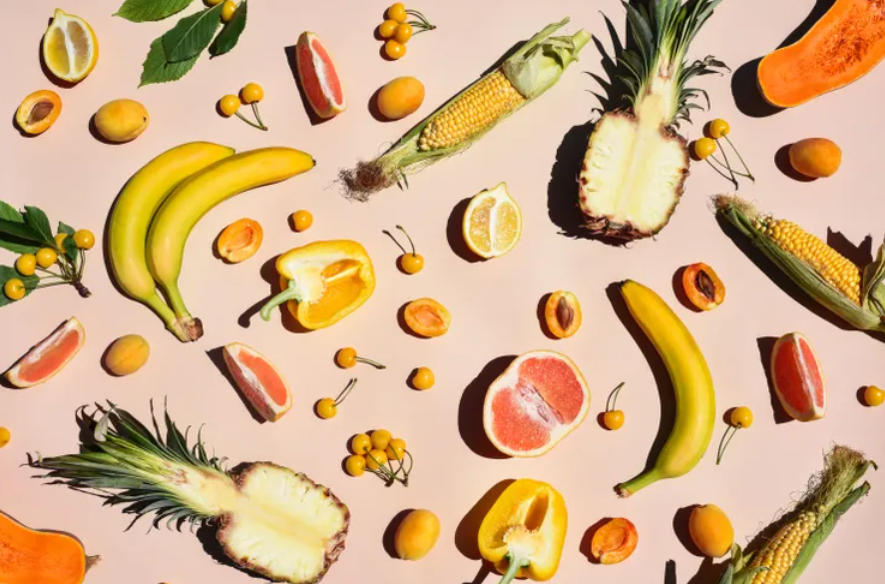
Most of us will spend a third of our lives asleep, so it’s worth making those hours count. There is no shortage of gadgets that promise good sleep: white noise machines, blackout curtains, sleep masks, even mouth tape. But what if the secret to more restful, uninterrupted sleep didn’t come from a device at all, and instead started with what’s on your plate?
A recent study published in Sleep Health suggests just that. Researchers found that “those who ate more fruits and vegetables — and consumed more complex carbohydrates such as whole grains — experienced longer periods of deep, undisturbed sleep,” the study reads. “People who met the recommendation of five cups of fruits and vegetables per day could see an average 16% improvement in sleep quality compared with those who ate none.” To understand the science behind quality sleep and what’s on your plate, we tapped a health expert for more information.
According to nutritionist Michelle Losh, fruits and vegetables carry many sleep-promoting nutrients. “The major way fruits and vegetables can help promote sleep is through their high melatonin, magnesium, serotonin, and potassium content,” she says. “The presence of these compounds in fruits and vegetables helps in regulating the sleep-wake cycle, soothing both mind and body, making it much easier not just to fall asleep but also to stay asleep.”
And yet, most people still fall short. According to a 2019 report, only about 12% of adults eat the recommended amount of fruit daily, and just 10% meet the vegetable target. The good news? Small changes can add up, with no complicated diet (or sleep tracker) required. Try these simple ways to get more produce in your day, and notice how it improves your sleep.
·Eat them raw or with a favorite dip.
·Toss fruits and vegetables into a smoothie.
·Build a colorful salad.
·Steam and season with salt and pepper.
·Sauté lightly in olive oil.
·Add them to soups or stews.