寒衣节:为逝者送寒衣,愿彼岸皆安暖(语法填空)
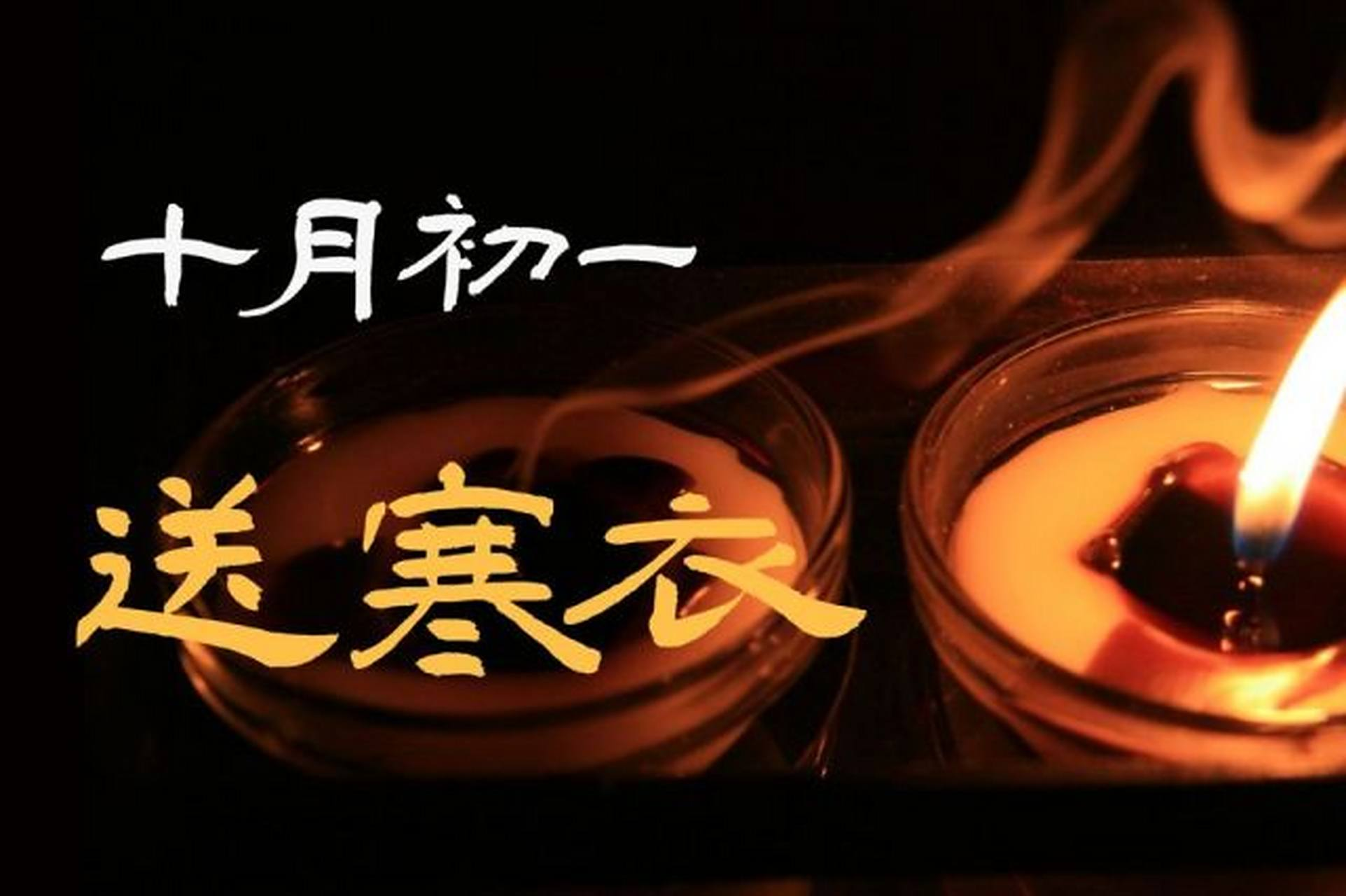
The Hanyi Festival, also known as Winter Clothing Day, is a ___1___ (tradition) Chinese festival for remembering ancestors. It falls on the first day of the tenth lunar month. Along with the Qingming Festival and the Zhongyuan Festival, it is widely ___2___(recognize) as one of China’s three main “ghost festivals”. On this day, Chinese people honor their deceased (去世的) family members and show sincere respect to their ancestors.
There are two main stories explaining the start of the Hanyi Festival. One comes from ancient China’s ___3___(agriculture) civilization. As winter approached, people put on heavy warm clothes to ward off the cold and held ceremonies to remember ancestors and gods, ___4___ (pray) for good weather and a bountiful harvest in the coming year. The other story links it to Daoist traditions, where people gathered in temples to hold activities, seeking peace, health and good luck for ___5___ (them) and their families in the next year.
The customs of the Hanyi Festival are rich in cultural meaning and are still observed by many today. Families often visit their ancestors’ tombs, bringing flowers, food and incense as ___6___ (offer) to show their remembrance. A key custom is burning paper-made clothes, a symbolic act of sending warm winter clothes to the deceased. In some regions, people also burn “paper bags of offerings” — paper packages on which the names of the deceased and their ___7___ (live) family members are written, containing other symbolic offerings.
Today, the Hanyi Festival is gradually being forgotten by some people, ___8___ (especial) young generations. However, its most essential value — remembering and respecting ancestors — remains ___9___ (importance) and precious. We should value and pass on this tradition, as it helps us understand our roots and develop a sense of respect for those ___10___ came before us.