并非越多越好:室内植物的最佳配比之谜
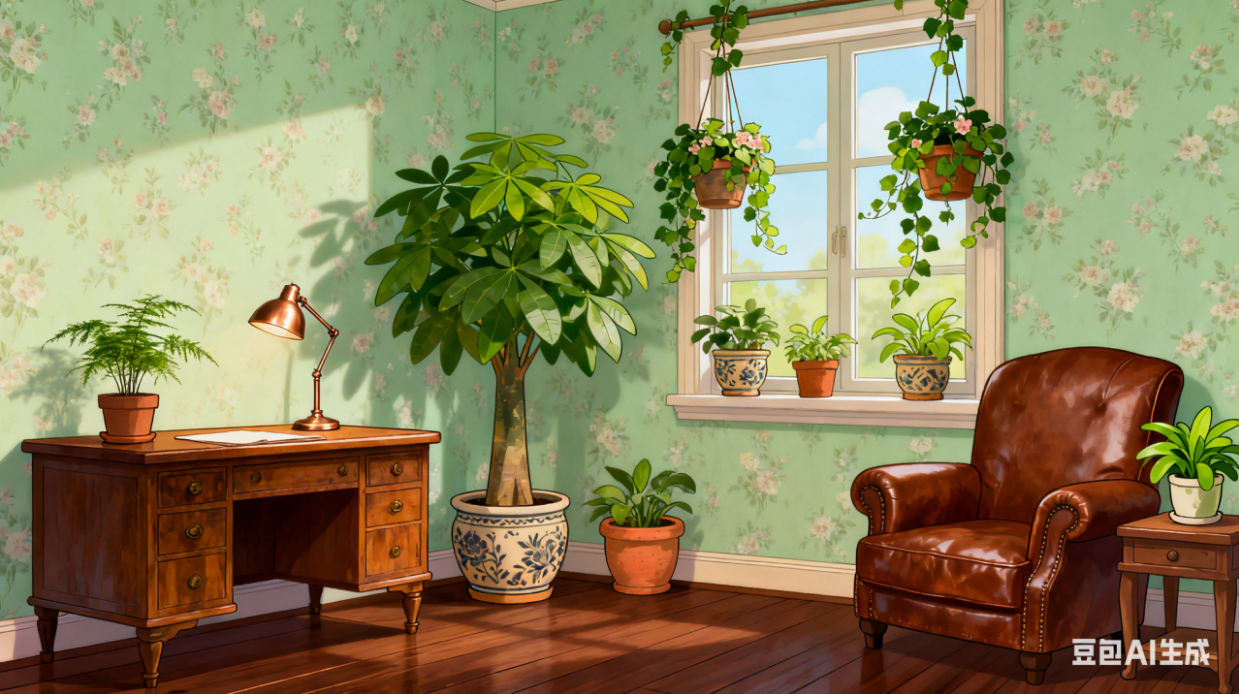
People have long decorated their homes with indoor plants. In China, for example, this practice may date back over three thousand years. However, houseplants became especially common in Europe and the United States during the mid-19th century. At that time, many people moved into crowded, polluted cities and wanted to bring a touch of nature into their homes.
Today, houseplants remain very popular. During the pandemic, their popularity grew even more as people spent more time indoors. Studies show that indoor plants can improve mental health by reducing stress and sadness. They have also been linked to better concentration and fewer sick days at work. Similarly, natural materials like wood are believed to support well-being.
But how many plants are needed to gain these benefits? Previous studies have not given a clear answer because their methods varied widely. To study this more precisely, researchers from Stanford University created a tool called Nature View Potential. It measures how much nature a person can see from a certain spot indoors. The researchers used this tool along with 3D modeling software to design different virtual office spaces. These digital rooms contained varying amounts of plants, wood, and views of nature through windows.