小寒至,严冬始
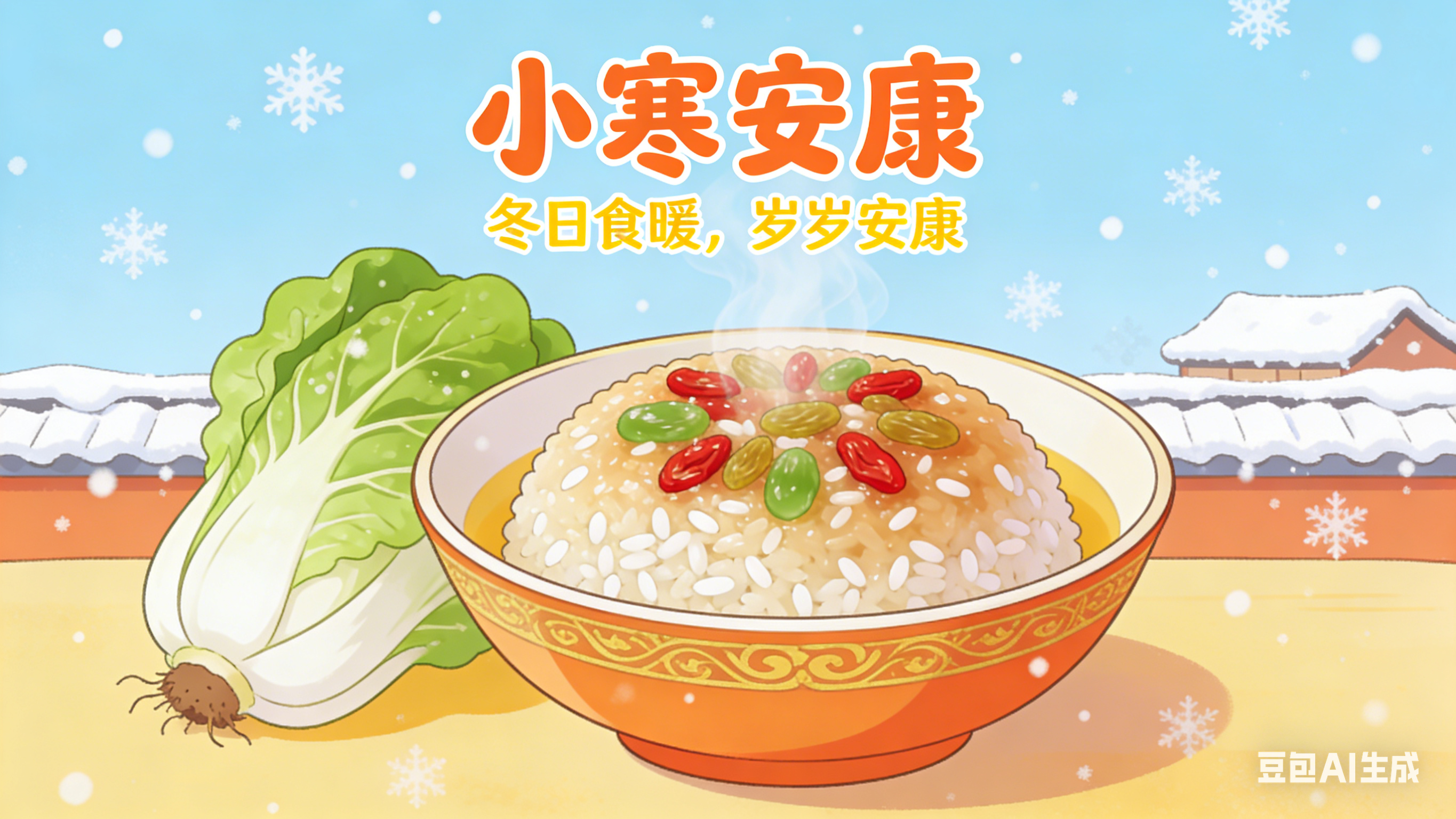
Minor Cold, known as “Xiaohan” in Chinese, is the 23rd of the 24 solar terms in the Chinese lunar calendar. For most parts of China, it marks the start of the coldest period of the year. Its first day typically falls between January 5 and 6. Like other solar terms, Minor Cold has its own unique customs, which reflect Chinese culture and people’s adaptation to the cold weather.
A popular traditional food during Minor Cold is eight treasures rice pudding, or “babaofan” in Mandarin. This sweet rice dish gets its name from the eight key ingredients it contains. The number eight is lucky for Chinese people because it sounds similar to “fa”, a character meaning “to become rich”. Thus, this dessert is seen as a symbol of wealth and good health. Chefs also suggest that nutritious ingredients like dates, hawthorns and goji berries in it help people keep up their energy in the cold.
Besides eight treasures rice pudding, different regions have their own dietary traditions for Minor Cold. In Nanjing and Shanghai, people often cook vegetable rice, sometimes with meat added. In Guangzhou, eating sticky rice (mixed with regular rice for better taste) on the morning of Minor Cold is a long-standing tradition. In most northern areas, people eat Chinese cabbage, which is a staple as it is easy to preserve in winter and tastes better after storage, solving the problem of scarce winter vegetables.