破解远古密码:聆听石头上的“沉默之声”
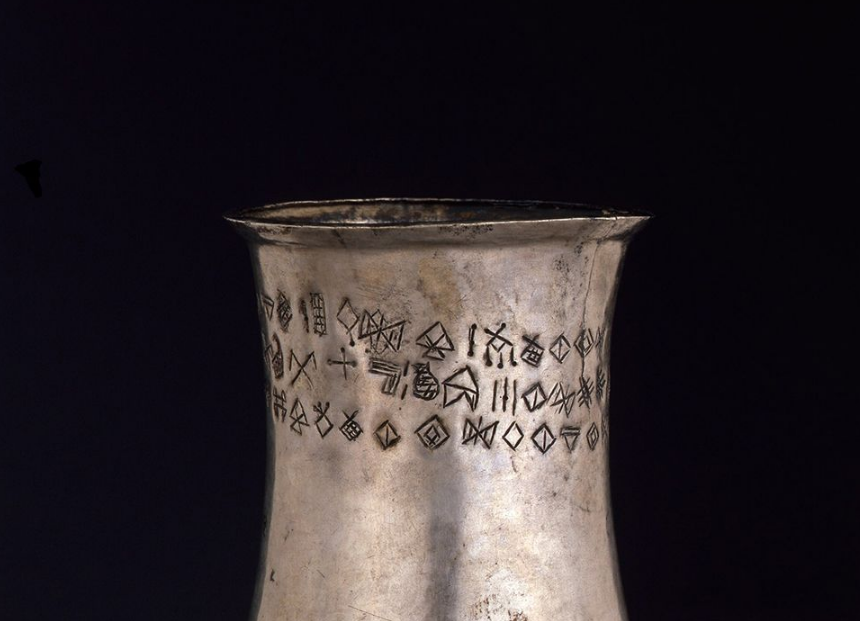
For centuries, the silent symbols left by ancient civilizations have posed fascinating puzzles. Around the world, many ancient writing systems remain undeciphered, their secrets locked away. The work to crack these codes combines careful study with modern technology, offering glimpses into lost worlds.
One such script is Linear Elamite, used over 4,000 years ago in what is now Iran. For a long time, scholars had only a handful of inscriptions (铭文) to study, making progress nearly impossible. The breakthrough came when researcher François Desset gained access to a private collection of ancient silver vessels covered with these symbols. This greatly expanded the material available for study. By identifying repeated patterns and comparing them with other known ancient writings, Desset proposed a decipherment. His work, while debated, shows how new discoveries can push the field forward.
Another major puzzle is the Indus Valley script, found on thousands of small stone seals from present-day Pakistan and India. The inscriptions are extremely short, most with fewer than five signs. This has led some experts to doubt if it is true writing at all. Different scholars have proposed very different theories. One suggests the signs represent star names and were used for timing festivals. Another believes they are simply trade labels. Without a long text for comparison, a final answer remains out of reach.
Decoding these ancient scripts is incredibly difficult, often requiring both logical analysis and creative thinking. It is more than an academic exercise; it is a way to hear the voices of ancient people — to understand their beliefs, their society, and their daily lives. While technology like AI can help, human insight remains key to connecting us with our distant past.
原创编写 版权所有 侵权必究 每日更新 个性化阅读 英语飙升