印度街头流浪狗何去何从?
Growing up in rural India, my grandmother would feed the village dog half a chapati and a bowl of milk each afternoon. Years later, when I lived in Delhi, I saw street dogs that even refused biscuits. They were given too much food by local households that all wanted to take care of them.
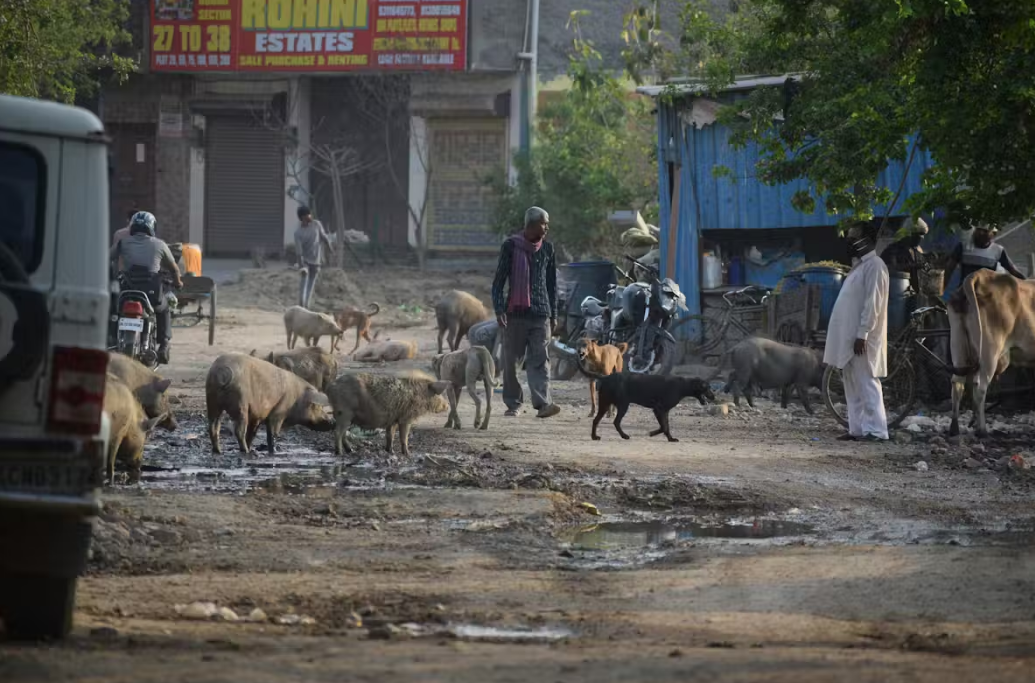
India has a special mix of religious and cultural values. These values make both rich and poor people very tolerant of non-humans and wildlife. But as cities grow, things are changing. Street dogs in these crowded and dirty shared spaces are becoming more protective of their areas. A more recent survey found there are about 1 million such dogs in Delhi alone. Sadly, India also has more than a third of the world’s rabies (狂犬病) deaths.
India’s culture and laws do not allow killing dogs. Dogs should be caught, sterilized (绝育), vaccinated and importantly, sent back to their original areas. But in real life, these rules are often ignored. In August 2025, after some children were attacked by street dogs, India’s Supreme Court once ordered all street dogs in Delhi and its surrounding areas to be rounded up. They were to be put in shelters or pounds. However, this order was not practical — there were simply not enough shelters for millions of dogs. It also caused strong opposition from animal rights groups. Within two days, the court changed its decision and went back to the long-used sterilization policy.
As India becomes more urbanized, it has to make a choice. It can either keep spaces for the old relationship between humans and dogs that started before cities existed, or follow some countries’ way of fully controlling street dogs. My grandmother’s habit of giving half a chapati to the dog showed an old agreement: people gave a little, lived peacefully together and both got benefits. But Delhi’s overfed street dogs that protect their areas show a new and closer connection. It remains unclear whether this new way is good for either humans or dogs.