熊也能“刷脸”?加拿大这项黑科技,专治“认熊难”
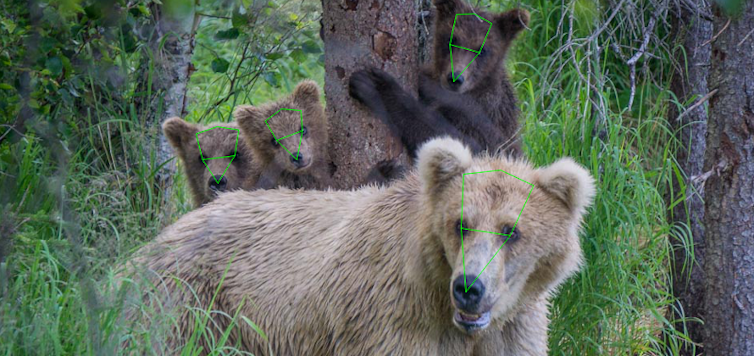
When a bear attacked a group of schoolchildren in Canada in late 2025, authorities faced a critical challenge: finding the specific bear responsible. Identifying individual bears is extremely difficult. To humans, bears often look alike, and while DNA testing is accurate, it is costly and requires capturing animals, which causes them significant stress. This incident underscored the urgent need for a more efficient and less invasive method of bear identification.
Recent technological advances now provide a promising solution: facial recognition for bears. A tool named BearID is currently in development for this very purpose. It employs artificial intelligence to analyze photographs of bear faces. Although a bear’s body size changes dramatically with the seasons, the unique layout of its facial features — the distance between its eyes, the shape of its nose — remains consistent over time. The system measures these stable points to create a unique profile for each animal, enabling reliable identification across different photos and years.
This application of facial recognition is far less controversial for wildlife than it is for humans. While the use of such technology on people raises serious ethical and privacy concerns, its primary goal in conservation is beneficial. It allows ecologists to monitor bear populations more accurately and study their natural behaviors in detail. Furthermore, it provides wildlife managers with a precise tool to identify and, if necessary, relocate only those specific bears that pose genuine problems, thereby protecting both human safety and the broader bear community.