植物“交友”指南:读懂它们的“邻里关系”
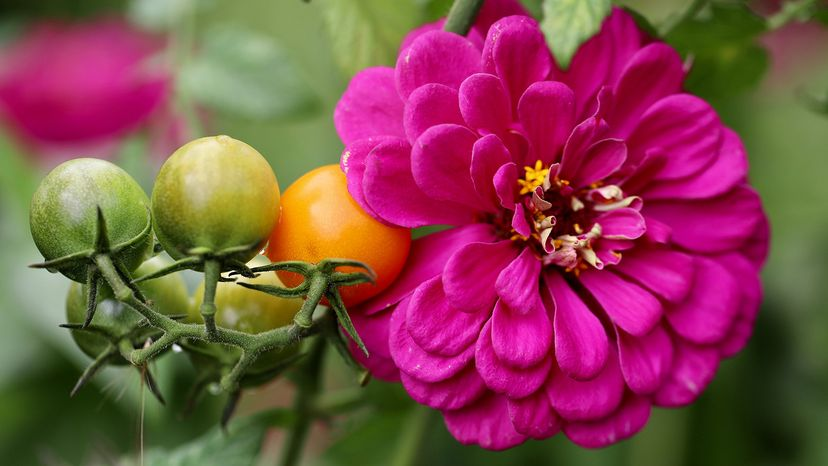
Companion planting is an ancient gardening practice where certain plants are grown together for mutual benefit. Just like people, plants can be good or bad neighbors to each other. Planning your garden with this idea can help prevent pests, improve flavors, and increase harvests. However, planting the wrong things together may slow down growth or attract more insects.
The science behind companion planting involves how plants interact with soil and pests. All plants need nitrogen (氮), but some require more than others. Leafy vegetables like lettuce need a lot of nitrogen. Meanwhile, plants such as peas and beans actually add nitrogen back into the soil. Therefore, a basic rule is to plant nitrogen-needing crops next to nitrogen-fixing ones. Herbs also play an important role. Many herbs drive away harmful insects and attract helpful ones like ladybugs. Plants such as dill and parsley (欧芹) bloom with small flowers that attract these natural protectors.
A well-known example of companion planting is called the “Three Sisters”. It involves growing corn, beans, and squash (南瓜属植物) together. The cornstalk serves as a natural pole for the beans to climb. The squash spreads its wide leaves at the base, keeping weeds down and shading the soil. The beans, in return, provide nitrogen that helps the squash grow.
Some plants are natural partners. Tomatoes, basil, peppers, and parsley grow very well together. Basil helps drive pests away from tomatoes and peppers, while parsley attracts beneficial insects. Interestingly, tomatoes produce more fruit when basil grows nearby, and peppers become more flavorful. Besides helping each other grow, these plants also happen to taste delicious together.
However, not all plants make good neighbors. For example, beans and strawberries do not grow well near garlic or onions. These onion-family plants can slow the growth of beans and affect the taste of strawberries. Also, it is better not to plant onions or garlic too close together, as they may share pests and diseases more easily. By avoiding these combinations, you can prevent problems and help each plant thrive in your garden.
原创编写 版权所有 侵权必究 每日更新 个性化阅读 英语飙升