AI解放人力?研究警告:小心“脑力耗竭”
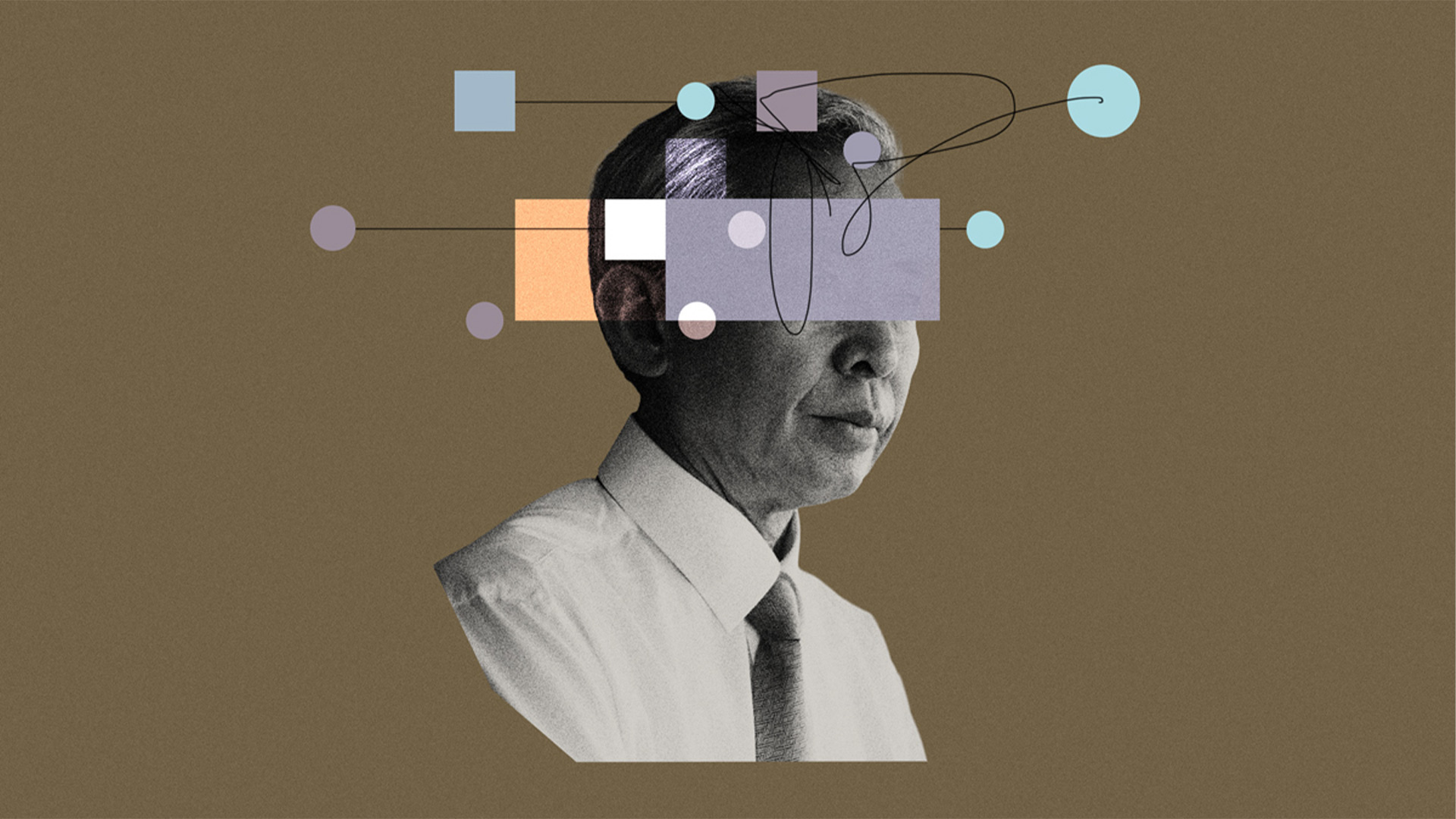
The promise of artificial intelligence has been simple: let the machines do the work. However, it may be creating a new headache in babysitting the machines. A new study published in Harvard Business Review suggests that instead of making work easier, AI may be giving some workers what researchers are calling “brain fry”. Researchers surveyed about 1,500 workers and found that people constantly moving between different AI tools reported more decision fatigue and more mistakes.
“The AI can run far ahead of us, but we’re still here with the same brain we had yesterday,” said Julie Bedard, an author of the study. She said the findings are an “early warning sign” that expectations around AI productivity may need to be adjusted. “Specifically, there are ways in which intensive oversight of AI causes a lot of mental tiredness.”
The study found a striking paradox: AI can both reduce and create burnout. When workers had to constantly watch over several AI systems at once, mental strain increased sharply. By contrast, when workers used AI to take over repetitive tasks, their stress levels dropped. Bedard explained that AI allows us to extend our abilities and workload, but this expansion can quickly become too much to handle.
For people working deeply with AI tools, the idea of “brain fry” feels familiar. Jack Downey, who uses AI daily to build automation systems, finds there is an extra mental strain that comes from AI workflows. While the technology expands what workers can do, it also raises what they’re expected to do. Downey said that setting deadlines for himself and his AI helps to limit the fry and produce a better result.