与AI机器人同居一年(完形填空)
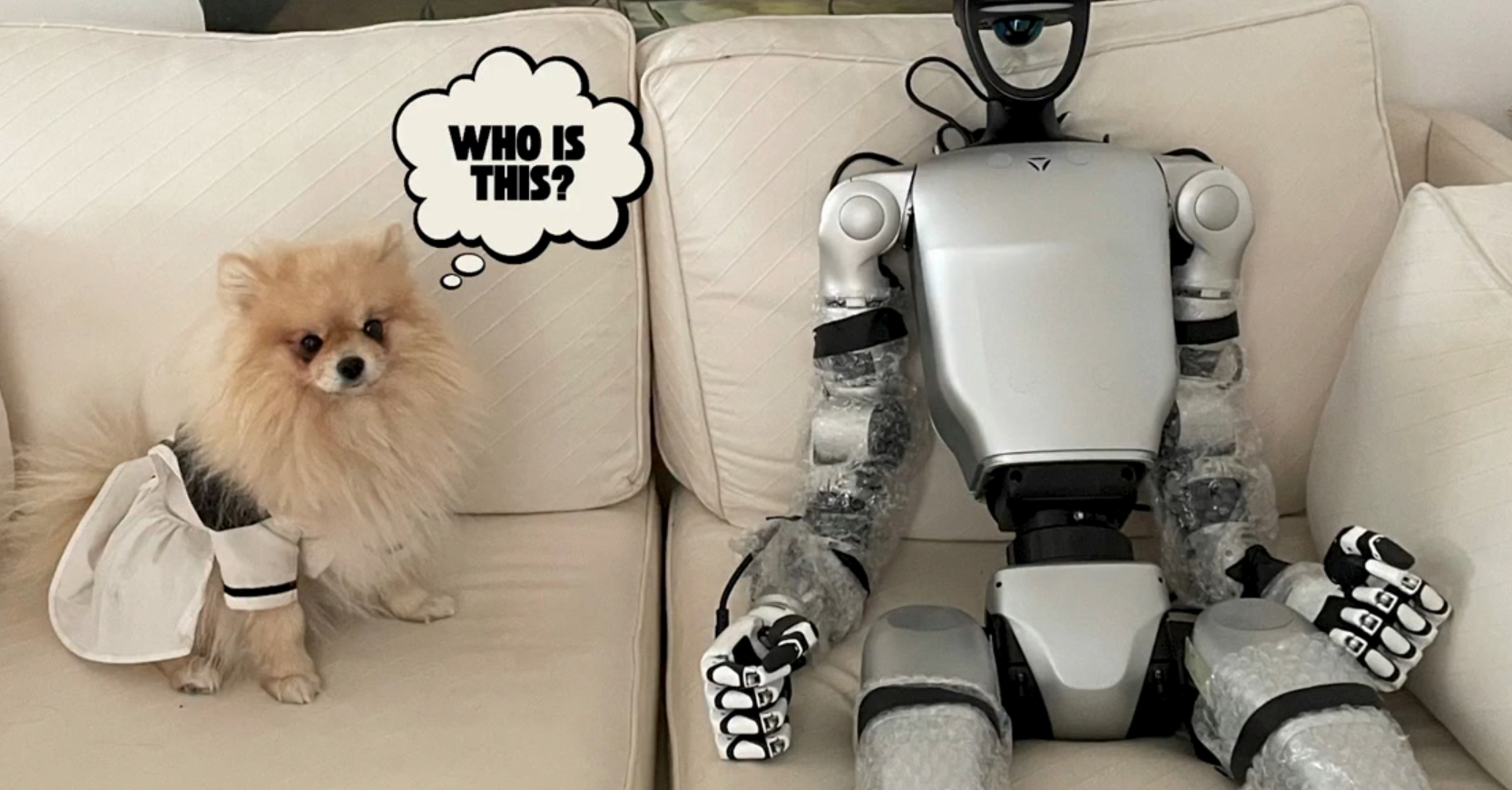
I spent a year living with an AI humanoid robot named Tova. Living with Tova has taught me several practical ____1____. First, you have to robot-proof your home. Tova is friendly but clumsy — she has already broken my favorite teacup and several wine glasses with her ____2____ arms. When I called my insurance company to ask about ____3____, they hung up, thinking it was a prank (恶作剧). This raises real questions: if my friend is ____4____ Tova and she breaks something, who is responsible?
Taking Tova outside is another ____5____. She weighs 60 kilos and travels in a large black case. One early morning, a taxi driver ____6____ asked, “Is there a body in here?” This got me ____7____ about transportation rules. Could Tova take the tram? Would she need a ____8____? When I asked the transit authority, they said they needed registration ____9____. The police wouldn’t register her either. If robots will eventually run errands for us, we need practical solutions for them to move around safely.
Not everyone welcomes Tova. Some friends invite her to parties, while others ____10____ she stays home. Parents at the square encourage their children to ask her questions like “What should I study to work ____11____ robots?” But another time, a man tried to ____12____ her arm right off of its body. People’s reactions ____13____ on their age, culture, and what they’ve seen in movies.