野火肆虐后,是谁在悄悄修复大地?
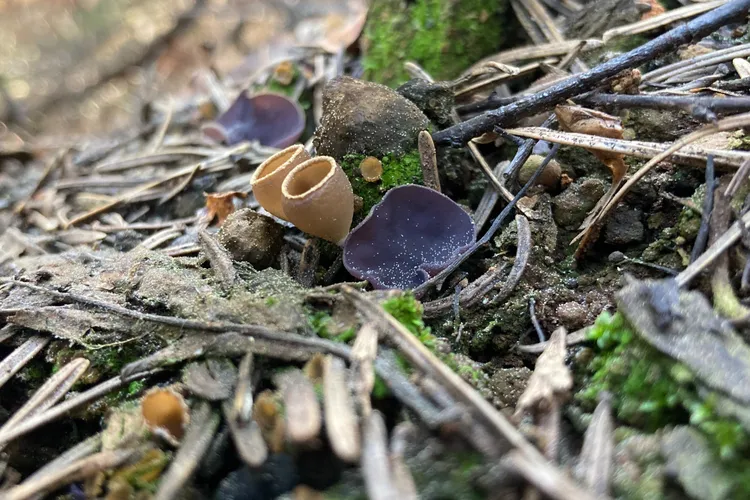
When people think of fungi, most tend to picture mushrooms. However, the fungal kingdom is much more than that. There are about 2.2 to 3.8 million species of fungi on Earth. They serve as decomposers and nutrient recyclers, which are essential to life.
Some fungi grow well after forest fires. These are called fire-loving fungi. While many living things die in a fire, these fungi have a rise in quantity. They grow on burned soil and wood, often appearing as brightly colored patches for a few weeks. They break down charcoal (木炭) and release nutrients that plants can use. They also help improve soil structure and allow water to pass through.
To understand how these fungi survive and grow after fires, a group of scientists studied their genes. They collected 18 species of fire-loving fungi from seven burned areas. They grew these fungi in the lab and observed their growth. Some fungi were exposed to charcoal. The scientists then identified which genes became active. They found that the fungi used different ways to get the genes needed to break down charcoal.
One way is gene duplication, which helps the fungi produce more of the enzymes (酶) that break down charcoal. Another way is through reproduction, which can create new traits. The most surprising way is called horizontal gene transfer. This happens when genes are passed between different species. In this case, the scientists found that some genes came from bacteria. This kind of gene transfer between different kingdoms is very rare.