世界最大冰山A23a正式宣告消亡
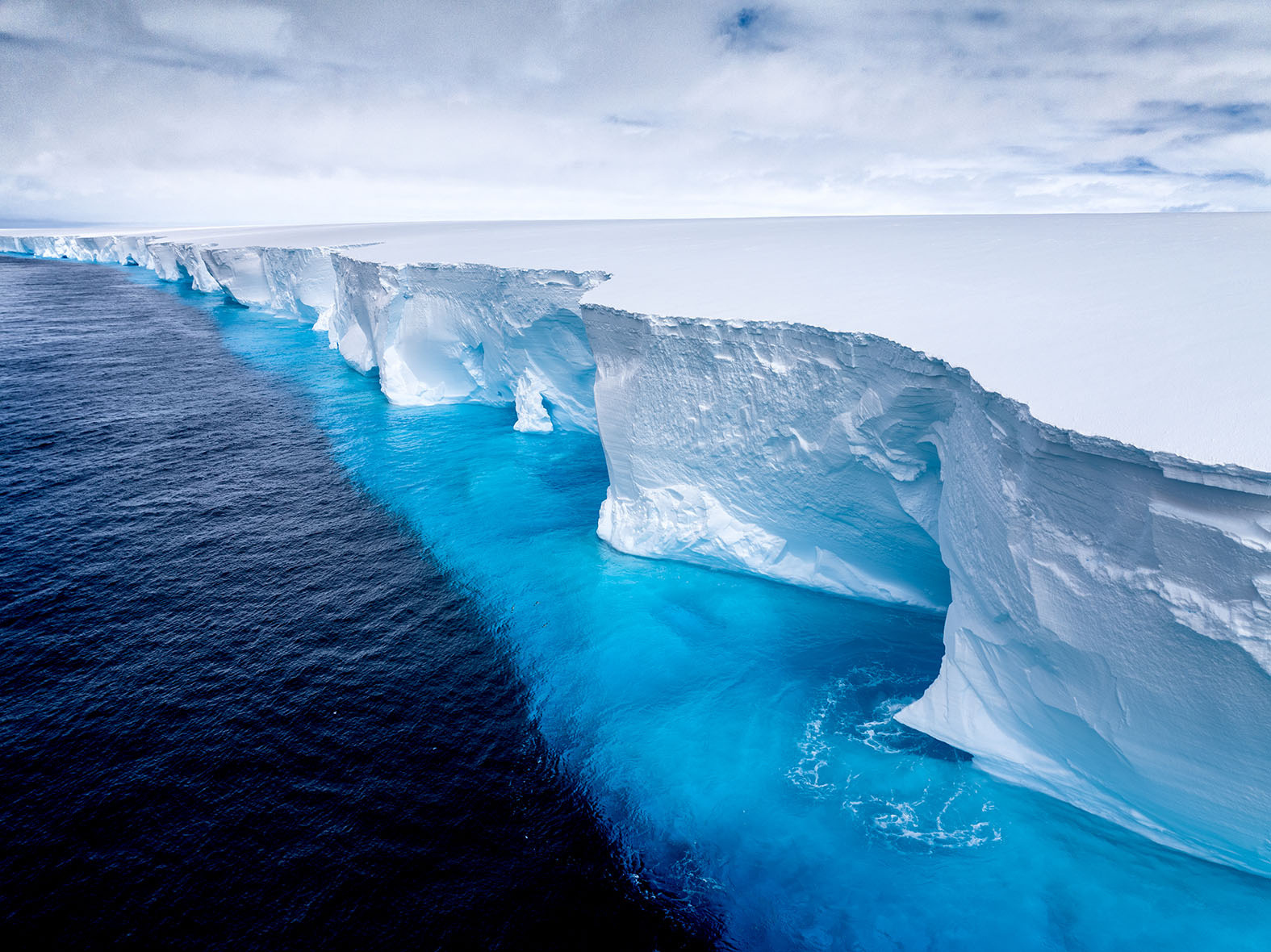
The world’s largest iceberg, known as A23a, entered the final stage of breaking apart after a life that lasted nearly forty years. According to the China Meteorological Administration, the iceberg recently broke apart for the last time. The largest remaining piece was only 11 kilometers long and covered just 35.2 square kilometers. As this was far below the official size requirement for tracking icebergs, scientists have stopped monitoring A23a as an independent object, marking the end of its long journey.
A23a first broke away from the Filchner Ice Shelf in Antarctica back in 1986. At that time, it was enormous — about 4,170 square kilometers in area and nearly 400 meters thick. Its total weight was estimated at around one trillion tons. For many years, the iceberg remained stuck on the sea floor in the Weddell Sea and barely moved. It was not until around 2020 that melting ice allowed it to lift slightly, though real movement only began in late 2022.
From early 2023 onward, A23a began to drift more quickly. It was recorded by Guinness World Records as the largest iceberg on Earth at that time, with an area of 4,035 square kilometers. It then left the Weddell Sea in 2024 and entered the powerful Antarctic Circumpolar Current. Throughout 2025, the iceberg suffered multiple major breakups, shrinking from 3,536 square kilometers at the start of the year to roughly 1,400 square kilometers. Another major collapse in January 2026 further reduced its main body to just 503 square kilometers.