12℃!芒果保鲜的“黄金温度”被找到了
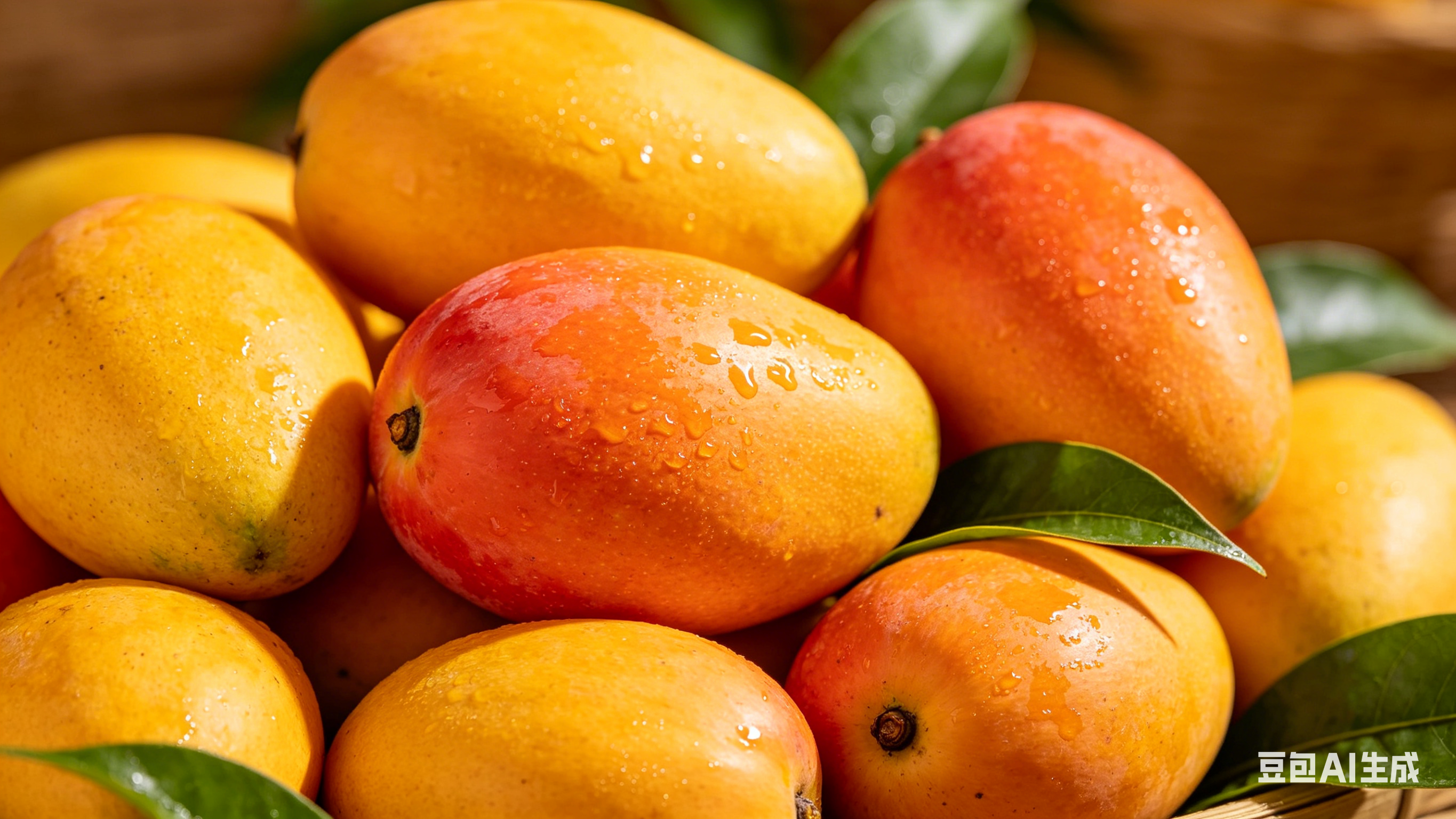
Mangoes are one of the world’s most popular fruits. However, they go bad very quickly after being picked. Once harvested, mangoes continue to ripen (成熟) and soon become too soft. In hot weather, this process speeds up even more. Keeping them cool can help, but if it is too cold, the fruit gets damaged. So, what is the right temperature?
Scientists from Hainan University have found an answer. In a recent study, they stored a kind of mango called “Tainong No.1” at two different temperatures: 12°C and 30°C. They watched the changes over 24 days.
The results were clear. At 30°C, the mangoes turned yellow and soft in about two weeks. Their sugar levels rose quickly and then dropped, and the fruit became overripe. Under a microscope (显微镜), the cells of these mangoes broke down sooner.
At 12°C, however, the mangoes stayed in good condition much longer. Their color changed slowly, and they kept their firmness. The cells remained strong, and the fruit’s natural ability to fight stress stayed active. Important vitamins and other healthy substances were also kept at higher levels.
The study shows why 12°C works well. It is cool enough to slow down ripening without harming the fruit. This simple temperature control helps mangoes defend themselves against aging (老化) from the inside.
This discovery is useful for farmers and sellers. If mangoes are stored near 12°C during shipping, they can travel longer distances and arrive fresh. That means less food waste and more delicious mangoes for everyone to enjoy.
原创编写 版权所有 侵权必究 每日更新 个性化阅读 英语飙升