体育不止论输赢,更是成长的课堂
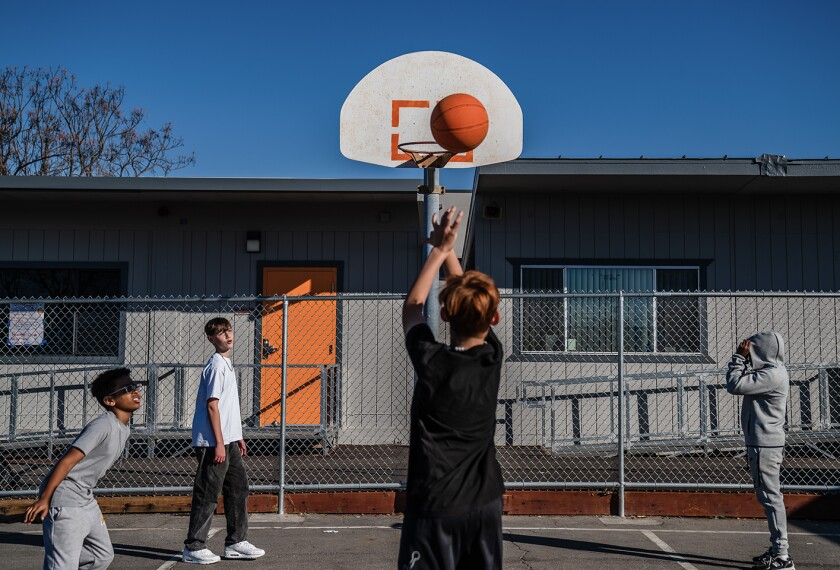
Teachers often notice that today’s students have more difficulty managing their emotions and getting along with others in person than those of previous generations. To address this, many schools have introduced social-emotional learning (SEL) programs, which research shows can improve both academic success and overall well-being. However, schools also face tight budgets, limited staff, and debates over SEL curricula.
Despite these challenges, some schools have found a creative way to teach character-building skills: sports.
According to Megan Bartlett, founder of the Center for Healing and Justice Through Sport, youth sports can help young people develop goal-setting, self-control, and teamwork skills when the activities are deliberately curated to promote positive growth. She explains that sports are especially effective for social-emotional development because they combine three key elements: a supportive environment with trusted adults and peers, physical movement that aids emotional regulation, and real-time practice in handling stress and challenges. Bartlett stresses that the focus should be on personal improvement rather than just winning.
One example comes from the La Mesa-Spring Valley school district. The district serves about 11,000 students from kindergarten through eighth grade and has created its own sports league. During the COVID-19 pandemic, staff members noticed that many students felt disconnected from school. They decided to use sports as a way to bring students back and help them reconnect.
In this program, students practice three times a week. Once a week, a 30-minute SEL lesson is led by a social worker and a coach. These sessions focus on topics like managing emotions, building trust with teammates, and accepting both wins and losses. According to district staff member Heather Spruell, many students who once struggled to control their temper after a loss have learned to stay calm and even cheer up their teammates.
For other schools interested in similar efforts, the experts offer simple advice. First, focus on building strong relationships with students. Second, gain support from school leaders and social workers. Finally, ensure that coaches receive proper training, as many tend to coach the way they themselves were coached in the past.