用废水种菜安全吗?研究发现:药物从不“进错门”
In many dry areas, farmers must rely on treated wastewater to water their crops because fresh water supplies are limited. While this is a smart way to save water, scientists are concerned about what else might be in that water. Small amounts of medicines — such as those used to treat mental health conditions — often remain in treated wastewater.
A new study from Johns Hopkins University brings good news for people who enjoy eating tomatoes and carrots. The research indicates that these plants store most of these chemicals in their leaves, rather than in the parts we usually eat.
The scientists grew tomatoes, carrots, and lettuce in a lab. They added four common medicines — used to treat conditions like depression — to the water. After 45 days, they examined different parts of the plants to determine where the chemicals accumulated.
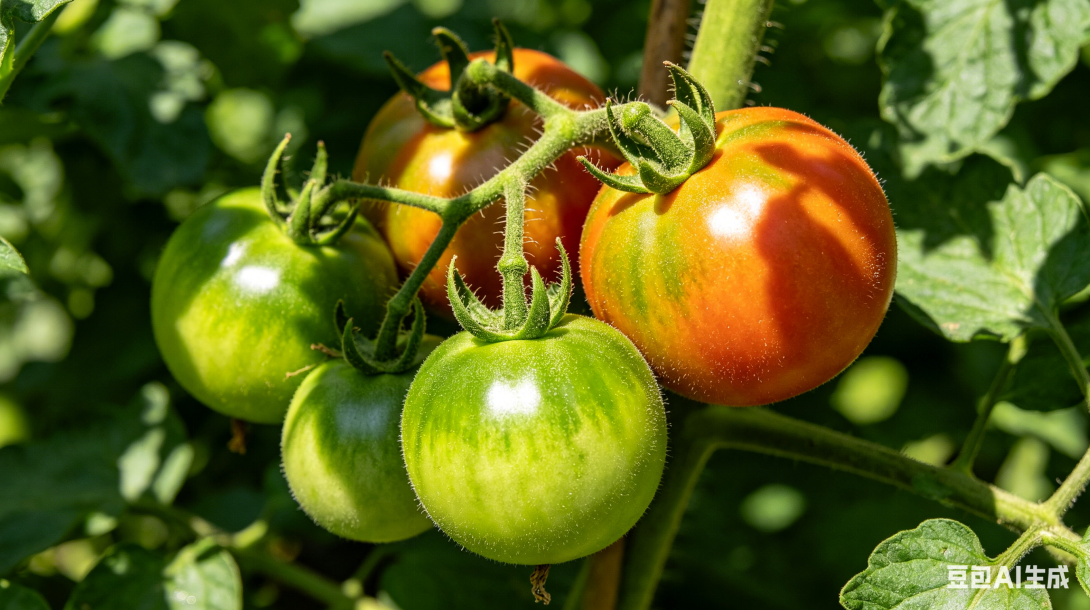
The findings were consistent: the leaves contained much higher levels of the medicines than the fruits or roots. To illustrate, tomato leaves had more than 200 times the amount of drugs found in the red tomato fruit. In carrots, the leaves held about seven times as much as the orange root we eat.
Why do plants store drugs in leaves? The answer lies in the movement of water through a plant. Plants draw water up from the roots to the leaves. When water reaches the leaves, it evaporates(蒸发) into the air through tiny holes. Nevertheless, the chemicals from the medicine do not escape; they are trapped and remain in the leaf tissue.
Carsten Prasse, one of the researchers, explained that plants struggle to remove these waste products. “They can’t just get rid of them the way humans do,” he said. Consequently, the chemicals build up over time.
The researchers emphasize that this study is not intended to cause alarm. The amounts found in the edible parts of tomatoes and carrots are extremely low. Nevertheless, understanding where these chemicals go helps authorities establish better guidelines for safely using recycled water in farming.
原创编写 版权所有 侵权必究 每日更新 个性化阅读 英语飙升