你的大脑正在被什么悄悄掏空?
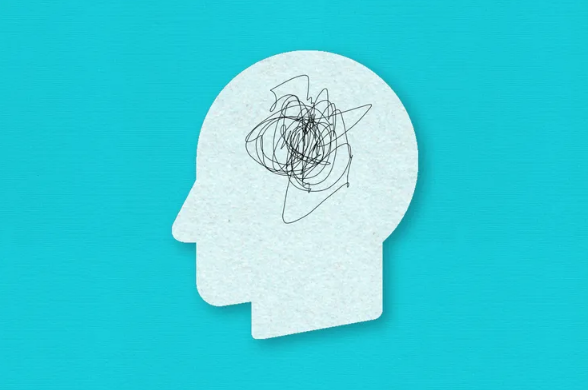
From choosing what to wear to what to cook for dinner, the average day is full of hundreds of small decisions. Most are unimportant, but over time they drain the mental energy needed for more important choices. All of a sudden, you may be unsure whether to accept a new project, or you put off a financial decision you had planned to make. This mental tiredness is known as decision fatigue. Your brain tires, and decision quality drops.
As mental energy runs low, people stop thinking critically and act without thinking. Decision fatigue feels like mental burnout. It occurs when you face mental overload from work, school, or home, and it negatively affects many areas of life, even if the stress is only in one. Symptoms include feeling overwhelmed, low energy, lack of motivation, putting things off, and forgetfulness. People may also criticize themselves for failing to make decisions and finish tasks.
We all experience decision fatigue. The average adult makes thousands of decisions daily, leaving the brain overloaded by evening. Even judges, symbols of careful thought, are not immune. A well-known study found judges were more likely to give favorable rulings in the morning. As the session continued, the approval rate dropped, and then rose after a break. This shows decision fatigue is a human limitation, not a sign of carelessness.
Fortunately, there are simple ways to prevent decision fatigue. First, make big decisions in the morning when your mental energy is at its peak. Second, group similar choices and cut unnecessary ones. Handle errands (差事), emails, or planning all at once to avoid draining energy. High performers often wear similar clothes and eat the same meals, saving energy for bigger decisions. Third, rely on systems: plan meals, automate tasks, or set work blocks. Systems prevent your brain from constantly rethinking the same things. When you feel overloaded, pause. If you are delaying or acting without thought, step away and return with a clearer mind. Finally, take breaks. A short walk or snack restores mental energy. Yoga or brief calm moments help too. These small habits can keep decision fatigue away and help you save mental energy for what truly matters.