欠下的睡眠债,真的能还清吗?
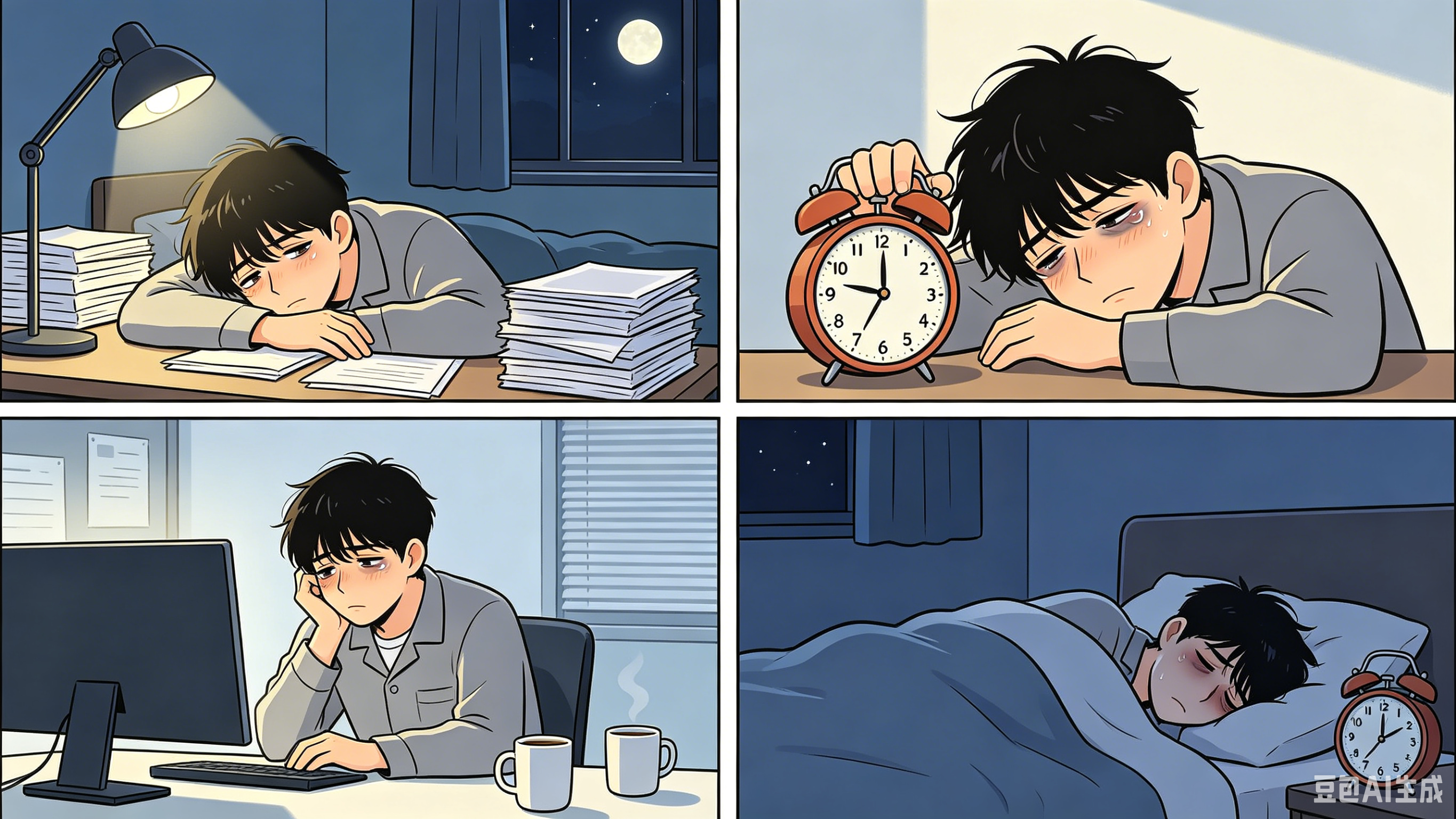
We all know we need enough sleep for energy, health, and productivity. But life often gets in the way. When you miss sleep, you build up sleep debt. Sleep debt is the amount of sleep you need to catch up on. It is measured against your personal sleep need. For example, if you need seven hours but only get six, you’ll wake up with sleep debt. If you keep missing sleep, the debt grows.
There are two types: short-term and long-term sleep debt. Short-term debt, built up over days, can cause daytime sleepiness, trouble thinking clearly, getting annoyed easily, poor focus, and getting sick more easily. Long-term debt, built up over months and years, raises the risk of weight gain, heart disease, high blood pressure, anxiety, and depression.
The good news is research suggests you can catch up on sleep and make up for some of the damage. Sleep debt is real, but catch-up sleep isn’t a myth. In one study, participants sleeping five hours a night for a week had worse mood and performance, but these bounced back after two recovery nights. Catching up on weekends may lower health risks, and some studies suggest that weekend catch-up sleep can make the death rate similar to that of consistent sleepers. However, recovery sleep may not prevent all harm, such as weight gain.
Catching up takes time. The more sleep debt you have, the longer it takes. For example, one hour of lost sleep may take four days to recover from. To catch up, take short naps (under 90 minutes, before evening), go to bed earlier, or sleep in a little later (within one to two hours). It also helps to improve your sleep habits: keep a regular sleep schedule, get morning light, avoid caffeine and bright lights before bed, exercise regularly, and keep your bedroom dark, cool, and quiet. Try to get enough sleep each night, but if you miss it, catch up when you can. Your body and brain will thank you for it.