视力衰退,从来不止岁月使然
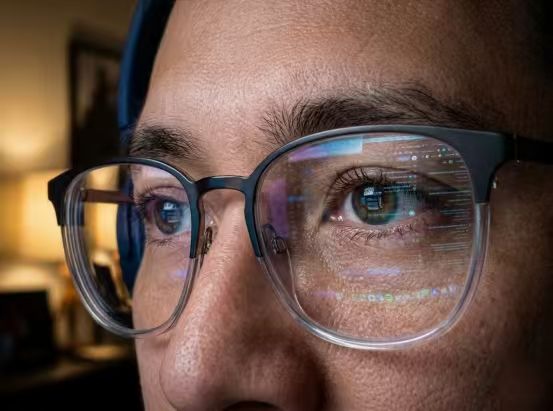
Many people believe that blurry vision and tired eyes are an unavoidable part of aging. It is widely accepted that people in their 40s or 50s will have fuzzy vision, as if their eyes are aging like worn-out machinery. However, this common assumption ignores the real cause of poor eyesight in modern times.
In fact, what is regarded as age-related eye problems is actually visual burnout. Even teenagers suffer from eye fatigue that once only troubled the elderly. Clearly, daily eye usage habits and living environments affect our eyes more than age. Human eyes are adaptable, yet modern lifestyles push them to the limit.
The main cause of premature visual aging is our constant “near focus” habit. Most of our waking hours are spent looking at things within arm’s length, such as phones, laptops, and tablets. When you lock your gaze onto a screen for hours, your eye muscles get stuck in a specific mode. It is similar to holding a heavy dumbbell (哑铃) all day; eventually, the muscles become overworked, tight, and forget how to relax. This is why it can feel difficult to see clearly when you finally look up and try to focus on something across the room.
Besides, artificial lighting also damages eyes. Unlike natural sunlight that changes throughout the day, static (静态的) indoor lighting disturbs people’s internal clocks. Without natural light rhythm, the visual system loses balance, making people tired and anxious. A two-minute walk in daylight every morning can regulate body rhythm better than coffee. Moreover, avoiding screens one hour before bedtime prevents blue light from ruining sleep and allows eyes to recharge.
Additionally, chronic stress affects vision greatly. Under pressure, people get tunnel vision, which exhausts their eyes. Since over half of the brain works for vision, relaxing methods like deep breathing can relieve eye tension. In short, managing stress helps the visual system stay healthy.
原创编写 版权所有 侵权必究 每日更新 个性化阅读 英语飙升