海冰消融告急!南极帝企鹅已然步入濒危绝境
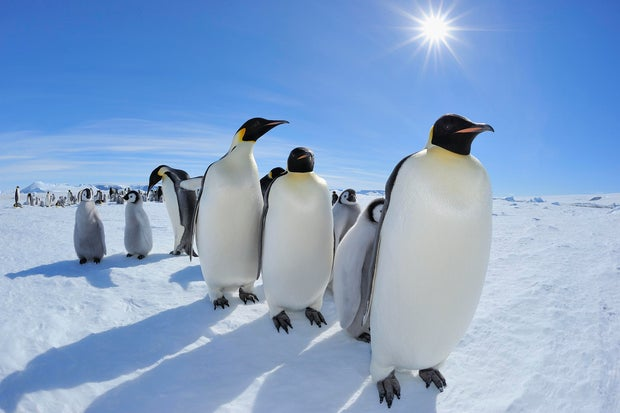
The emperor penguin, an icon of Antarctica, has been declared an endangered species by the International Union for Conservation of Nature (IUCN). Its status was changed from “near threatened” to “endangered” as climate change pushes this bird closer to extinction. This decision highlights the serious threat that global warming presents to ice-dependent species.
Emperor penguins rely on sea ice to live, hunt and breed. The early break-up and loss of these frozen ocean platforms have caused their numbers to plummet. The IUCN predicts that climate-driven changes in sea ice could cut the population by half by the 2080s. Philip Trathan, part of the IUCN expert group, stated, “We concluded that human-induced climate change poses the most significant threat to emperor penguins.” On the IUCN Red List, which ranks species’ extinction risk, “endangered” is only two steps away from “extinction in the wild,” meaning a species survives only in captivity, living under human care in zoos and parks.
The largest of all penguins, emperor penguins have a brilliant golden-orange patch on their neck and chest. They breed on sea ice in the dead of winter; the males keep eggs warm beneath their feet. The sea ice also provides a habitat for chicks and is essential when they replace their feathers before becoming waterproof. But climate change is making the sea ice less stable, causing it to retreat or break up early in spring. Satellite images indicate around 20,000 adults — about 10% of the population — disappeared between 2009 and 2018. Christophe Barbraud, a scientist, said, “Since 2016-2017, there has been a significant decrease in the extent of sea ice around Antarctica, and therefore without sea ice, the species will struggle to survive.”
Trathan added that emperor penguins are a warning sign. The IUCN also listed the Antarctic fur seal as endangered; its numbers have plunged more than 50% since 1999. Rising ocean temperatures and shrinking sea ice push krill to deeper waters, reducing the seals’ food supply. In addition, the southern elephant seal was moved from “least concern” to “vulnerable” after its population declined due to a deadly contagious disease.
原创编写 版权所有 侵权必究 每日更新 个性化阅读 英语飙升