延续2500年的西西里“液体黄金”传奇
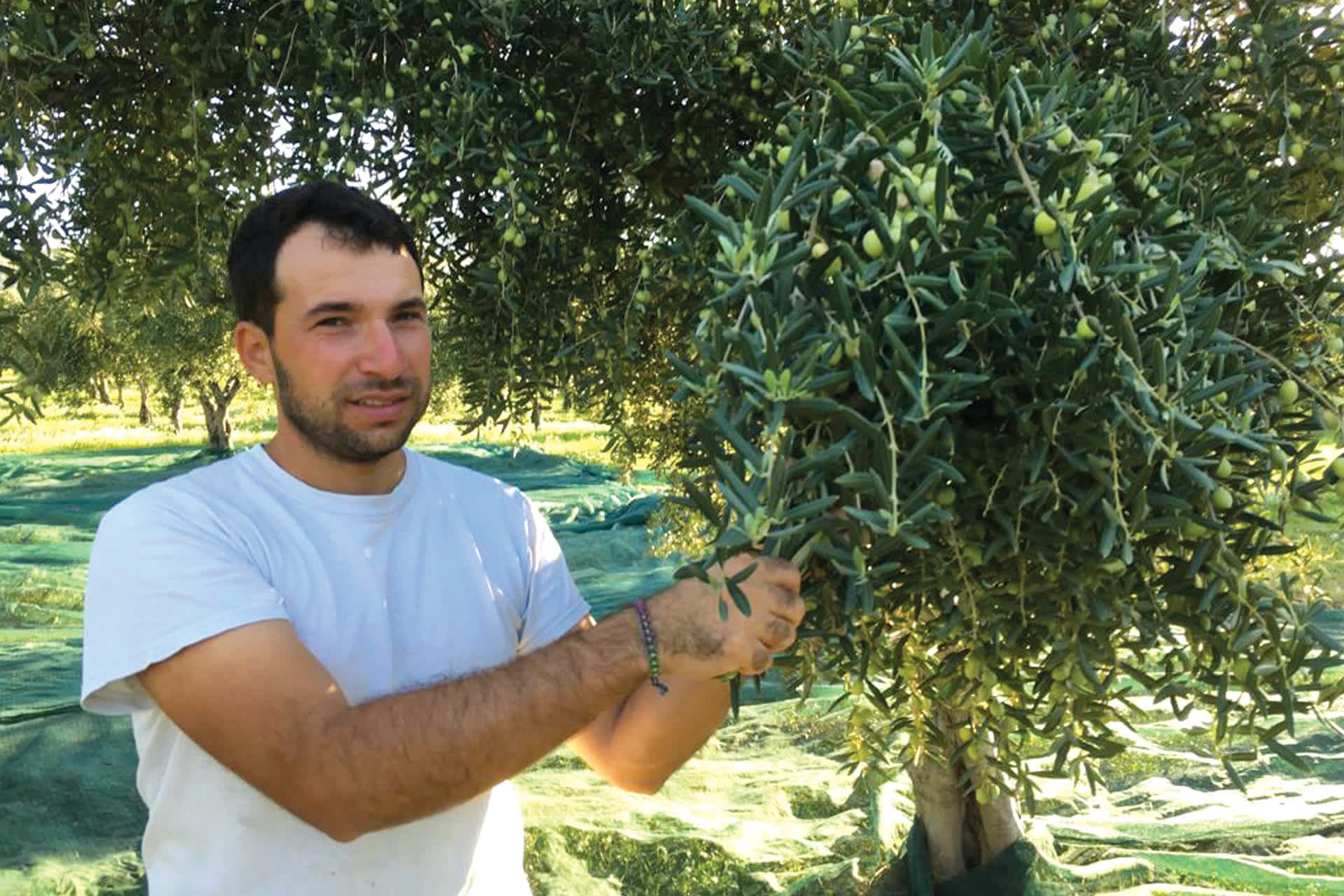
Last autumn, I had the opportunity to visit the Bono olive oil farm and factory in Sicily, Italy. Olive oil is often called “liquid gold” because producing it requires great care and hard work. The Bono family founded their company in 1934, and today Salvatore Bono runs the business. Autumn is the most important season, as hundreds of farmers bring freshly picked olives to the factory. In the green groves, some farmers use modern machines, but many still pick the fruit by hand, believing it is the best way. For them, olive growing is more than a job — it is a family tradition. Farmer Nino Bruno Florio told me that his farm has belonged to his family for over 70 years. As a child, he helped his father, and now his own children are learning the same skills and values.
After being harvested, the olives must be processed immediately to capture their strongest flavour. At the factory, they are weighed, washed, and have their leaves removed. Then the fruit is ground into a paste, and a machine called a centrifuge spins it at high speed to draw the oil out of the mixture. Once the oil is ready, it is sealed in glass bottles or metal tins and carefully labelled. Before being shipped worldwide, it must meet strict standards. In Italy, the government tightly controls olive oil production to protect a tradition that has lasted for over 2,500 years in Sicily and to ensure customers receive the best product.