极端天气风险急剧攀升,全球多地或将面临严峻考验
The World Meteorological Organization (WMO) has issued a serious warning: there is an 80% chance that El Niño will develop between June and August. By November, the chance could rise to over 90%, and it is likely to be moderate or even strong. This means we may face more extreme weather, such as heatwaves, heavy rain and droughts.
El Niño is a natural climate pattern that warms the surface waters of the central and eastern Pacific Ocean. This warming changes wind and rainfall patterns around the world. It happens every two to seven years and usually lasts nine to twelve months. Afterwards, conditions may switch to La Niña (cooler waters) or return to a neutral state.
Although El Niño is natural, global warming can make its effects much worse. A warmer ocean and atmosphere provide more energy for storms, heatwaves and heavy rainfall. The last El Niño helped push 2023 to the second hottest year on record, and 2024 became the hottest ever. WMO chief Celeste Saulo warned that the coming El Niño could bring more serious drought, flooding and heatwaves, both on land and in the ocean. Even a moderate El Niño raises the risk of extreme weather.
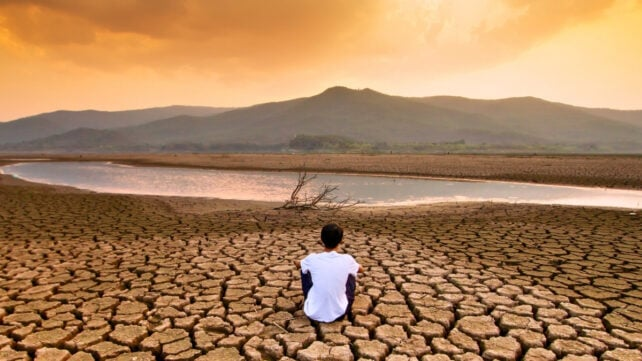
The impacts will be felt in many places. From June to August, above-normal temperatures are expected in nearly all parts of the world. This raises the risk of drought in parts of Africa, South Asia and Central America. Many of these regions already face food and water challenges, so El Niño could make things worse. In the Pacific, El Niño may fuel more hurricanes, while reducing them in the Atlantic. Such changes, Saulo said, can have a chain reaction on the global economy and people’s security.